
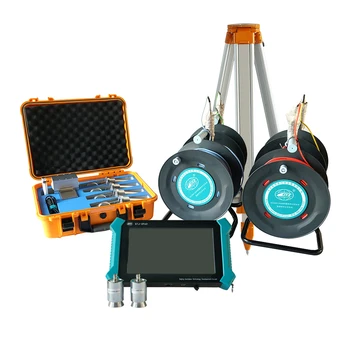
The construction industry continues to evolve, driven by the need for efficient and reliable testing methods to ensure the integrity of foundation elements. Among these, the low strain pile integrity test stands out as a non-invasive technique widely adopted for assessing pile integrity. This testing method, known for its simplicity and effectiveness, is crucial for maintaining the structural soundness of buildings and infrastructure. Understanding and mastering this technique is essential for professionals aiming to ensure the longevity and safety of their projects.
Understanding Low Strain Pile Integrity Testing
Low strain pile integrity testing, often referred to as the sonic echo test equipment, is a method used to evaluate the condition of concrete piles and drilled shafts. It is particularly effective for detecting defects such as:
- Cracks
- Voids
- Necking
- Changes in cross-sectional area
The test is performed by generating a stress wave at the pile top, which travels down the pile. Reflections from impedance changes within the pile are recorded and analyzed to assess the pile’s integrity. This method is not only cost-effective but also highly efficient in identifying potential issues early in the construction process.
Key Techniques for Effective Testing
Preparation and Equipment Selection
Before conducting a pile integrity test, it is vital to prepare adequately. This involves selecting the right PET pile integrity tester, which is crucial for obtaining accurate results. Factors to consider include:
- The type and size of the pile
- The expected pile length
- Site-specific conditions
Proper equipment calibration and alignment with project specifications are also essential to ensure the reliability of test outcomes.
Execution of the Test
Performing the test requires precision and attention to detail. It involves:
- Ensuring the pile head is clean and accessible
- Properly placing the transducer to ensure optimal signal transmission
- Recording multiple readings to confirm consistency
By following these steps, professionals can effectively conduct pile testing with echo method, leading to reliable and actionable insights.
Interpreting Test Results
The interpretation of test results is a critical skill in mastering low strain pile integrity techniques. The reflections captured during testing are analyzed to identify any anomalies indicating potential defects. Key considerations include:
- Understanding wave propagation dynamics
- Identifying characteristic response patterns
- Correlating anomalies with potential structural issues
Accurate interpretation ensures that necessary corrective actions can be taken, thereby safeguarding the structural integrity of the project.
Conclusion
Mastering low strain pile integrity testing techniques is fundamental for construction professionals committed to ensuring robust and durable infrastructure. By carefully selecting equipment, executing tests with precision, and accurately interpreting results, professionals can significantly enhance the quality and safety of their projects. The continued advancement in pile integrity test technologies promises even greater reliability and efficiency in future testing endeavors.