
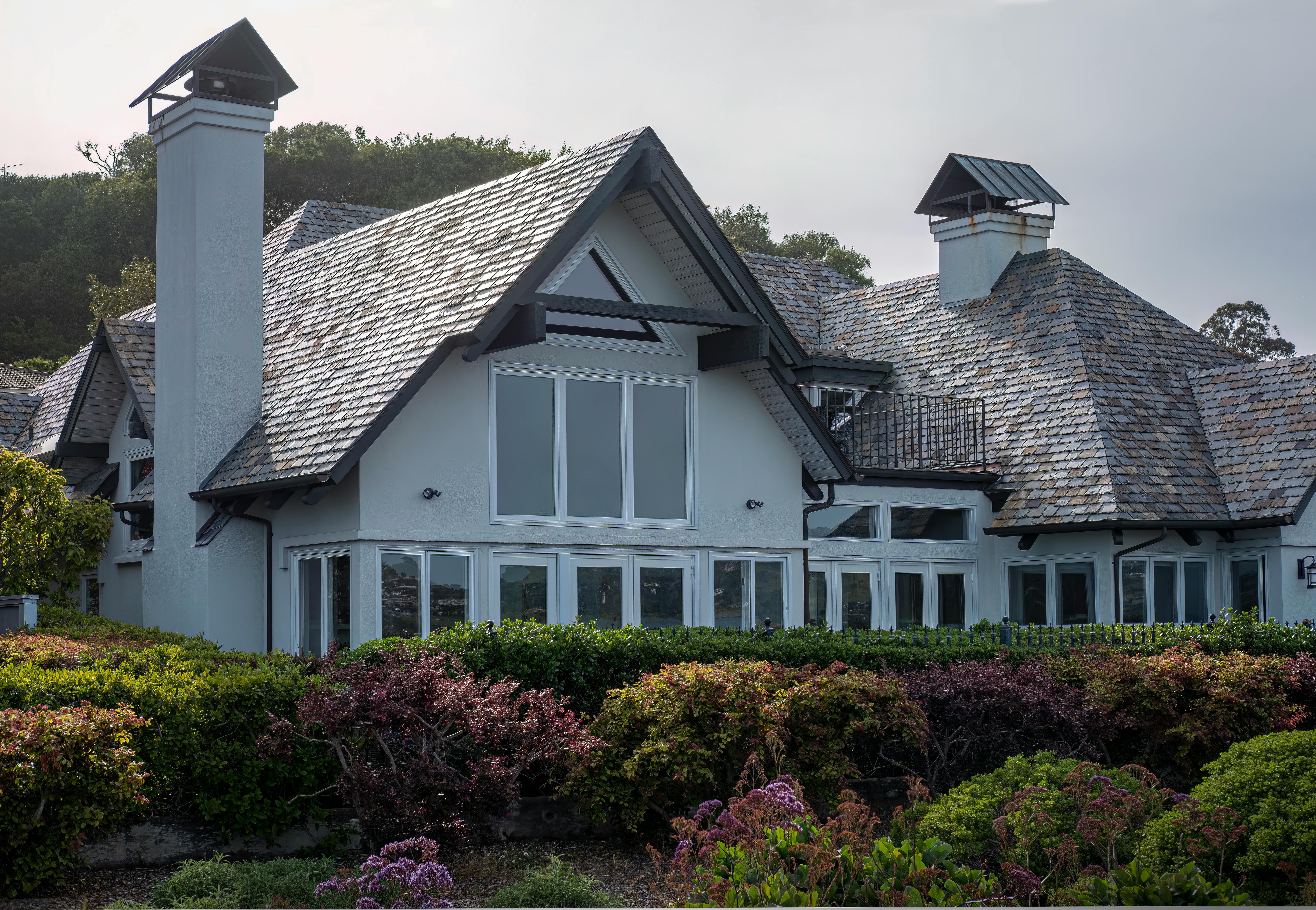
Mountain home architecture is a fascinating domain where design meets the rugged, untouched beauty of natural landscapes. This architectural style is not just about creating a shelter; it”?s about creating a harmonious environment that embraces and enhances the natural surroundings. By integrating elements of the landscape into the design, mountain homes offer a sanctuary that is as functional as it is aesthetic. This balance between nature and architecture allows for an immersive experience that is deeply rooted in the principles of sustainability and environmental mindfulness.
Key Features of Mountain Home Architecture
Mountain homes are distinctive in their ability to blend with their surroundings while providing comfort and luxury to their inhabitants. Here are some of the core features that define this unique style of architecture:
- Natural Materials: The use of stone, wood, and other natural materials helps mountain homes blend seamlessly into their settings. These materials not only provide structural integrity but also a warm, inviting aesthetic.
- Large Windows: Expansive windows are a hallmark of mountain home design, allowing for panoramic views and ample natural light. This feature ensures a connection with the outdoors, even from within the confines of the home.
- Open Floor Plans: Open layouts are preferred to facilitate a flow that mirrors the openness of the surrounding landscape. This design choice enhances the sense of space and freedom.
- Energy Efficiency: Sustainable design is crucial, with many homes incorporating solar panels, geothermal heating, and other eco-friendly technologies. Explore advanced guides and tips on sustainable home design.
Embracing Nature in Design
At the heart of mountain home architecture is the integration of natural elements into the design process. This involves not only the selection of materials but also the orientation and layout of the home. By aligning homes with the natural contours of the land, architects minimize environmental impact and enhance energy efficiency. Find out more about this approach to sustainable architecture.
Design Strategies for a Harmonious Integration
- Site-Specific Design: Each mountain home is uniquely tailored to its location. This approach takes into account the climate, topography, and vegetation of the site.
- Indoor-Outdoor Living: Patios, decks, and open-air spaces are strategically incorporated to extend living areas into the natural environment. These spaces provide a seamless transition between indoor and outdoor living.
- Natural Light Optimization: Strategic placement of windows and skylights ensures that homes are bathed in natural light, reducing the need for artificial lighting and enhancing the connection to the environment.
- Eco-Friendly Landscaping: Native plants and xeriscaping techniques are employed to conserve water and maintain the natural beauty of the landscape. Learn about our tailored solutions for eco-friendly landscaping.
The Role of Technology in Mountain Home Design
Modern technology plays a significant role in enhancing the functionality and sustainability of mountain homes. From energy-efficient appliances to smart home systems, technology ensures that these homes not only respect the environment but also offer modern comforts and conveniences. Discover expert strategies here on integrating technology with traditional design elements.
Technological Innovations
- Smart Home Integration: Automation systems allow residents to control lighting, heating, and security remotely, ensuring comfort and efficiency.
- Renewable Energy Systems: Photovoltaic panels, wind turbines, and geothermal systems reduce reliance on non-renewable energy sources, promoting sustainability.
- High-Performance Insulation: Advanced insulation materials keep homes comfortable year-round, reducing energy consumption.
Mountain home architecture is a testament to the potential of design to create spaces that are both beautiful and in harmony with nature. By focusing on sustainable practices and integrating natural elements, architects are crafting homes that offer a serene retreat from the hustle and bustle of urban life. For those interested in learning more about these innovative design practices, explore advanced guides and tips on creating eco-friendly and aesthetically pleasing mountain homes.