
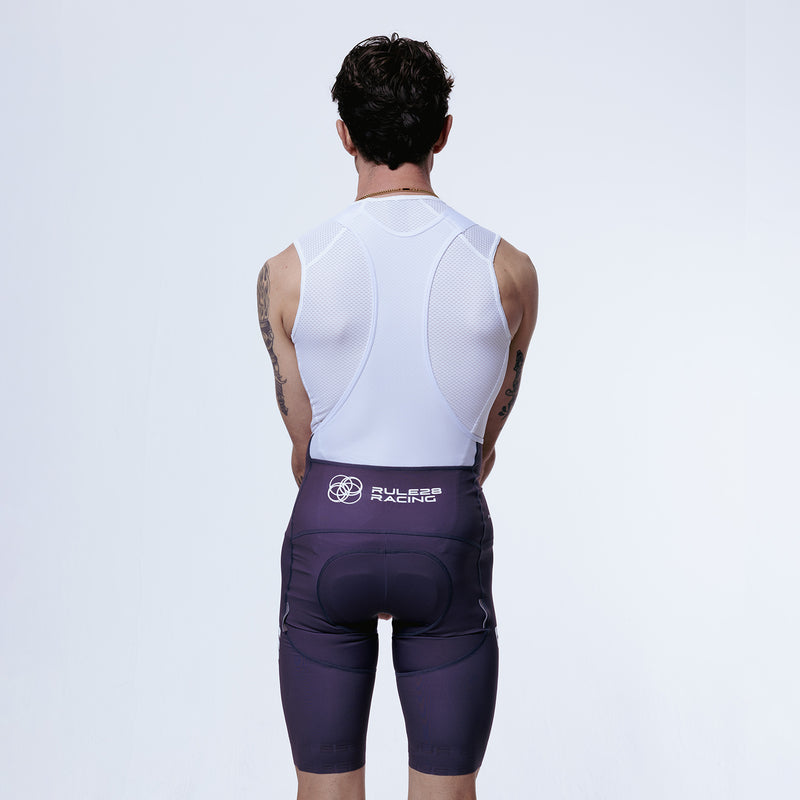
Cycling apparel has evolved significantly over the years, with advancements in technology and design playing a crucial role in enhancing performance and comfort. Among the most notable developments is the introduction of aerodynamic bib shorts, which have become a staple for competitive cyclists. These shorts are designed to reduce drag and improve efficiency, offering a competitive edge over traditional styles. In this article, a detailed comparison between aero bib shorts and traditional cycling apparel is explored, examining key factors such as performance, comfort, and design features.
Performance Enhancement
Aerodynamics
Aerodynamics is a critical factor in cycling performance, especially for those participating in races or long-distance events. Cycling bib shorts aero are engineered with sleek fabrics and a contoured fit to minimize air resistance. The benefits of such design include:
- Reduced drag, allowing for faster speeds with less effort.
- Enhanced stability in windy conditions.
- Improved energy efficiency, leading to better endurance.
Traditional bib shorts, while robust, often lack these aerodynamic features, making them less suitable for competitive cycling where every second counts.
Fabric Technology
The choice of fabric in aero bib shorts is pivotal. These shorts typically incorporate high-tech materials that are:
- Lightweight and breathable, ensuring optimal comfort and moisture management.
- Compressing, which supports muscle stability and reduces fatigue.
- Durable, able to withstand rigorous use and frequent washing.
In contrast, traditional styles may prioritize comfort over performance, often using heavier materials that might not offer the same level of breathability or muscle support.
Comfort and Fit
Ergonomic Design
Aero bib shorts are designed with an ergonomic approach, aligning with the body’s natural movements during cycling. This includes:
- Seamless construction to prevent chafing and irritation.
- Tailored fits that contour to the cyclist’s body.
- Strategic padding to enhance comfort on long rides.
Traditional bib shorts may not always offer such advanced ergonomic features, potentially leading to discomfort over extended periods.
Strap and Waistband Features
An often-overlooked aspect of cycling apparel is the strap and waistband design. Aero bib shorts typically feature:
- Elastic straps that distribute pressure evenly across the shoulders.
- Non-slip waistbands that maintain position without constricting movement.
- Adjustable features for a customized fit.
Traditional styles may utilize simpler strap systems that can lead to discomfort or require frequent adjustments during a ride.
Design Features
Style and Aesthetics
While performance is paramount, aesthetics also play a role in a cyclist’s choice of apparel. Aero bib shorts often boast sleek, modern designs that appeal to style-conscious cyclists. Key design elements include:
- Minimalistic and streamlined appearance.
- Reflective elements for visibility during low-light conditions.
- Customizable color options to match team kits or personal preferences.
Traditional bib shorts might offer classic designs that appeal to those who prefer a more conventional look.
Versatility
Lastly, the versatility of aero bib shorts extends their appeal. Many cyclists find them suitable for a range of activities beyond racing, including training sessions and recreational rides. For those seeking additional coverage, aero bib tights offer similar benefits with the advantage of covering the legs, making them ideal for cooler weather conditions.
Conclusion
When comparing aero bib shorts to traditional styles, the decision ultimately depends on the cyclist’s specific needs and priorities. For those focused on performance and speed, aerodynamic options provide significant advantages. However, traditional styles may still hold appeal for their classic comfort and simplicity. As cycling technology continues to advance, the evolution of cycling apparel promises to offer even more innovative solutions to meet the diverse demands of cyclists worldwide.