
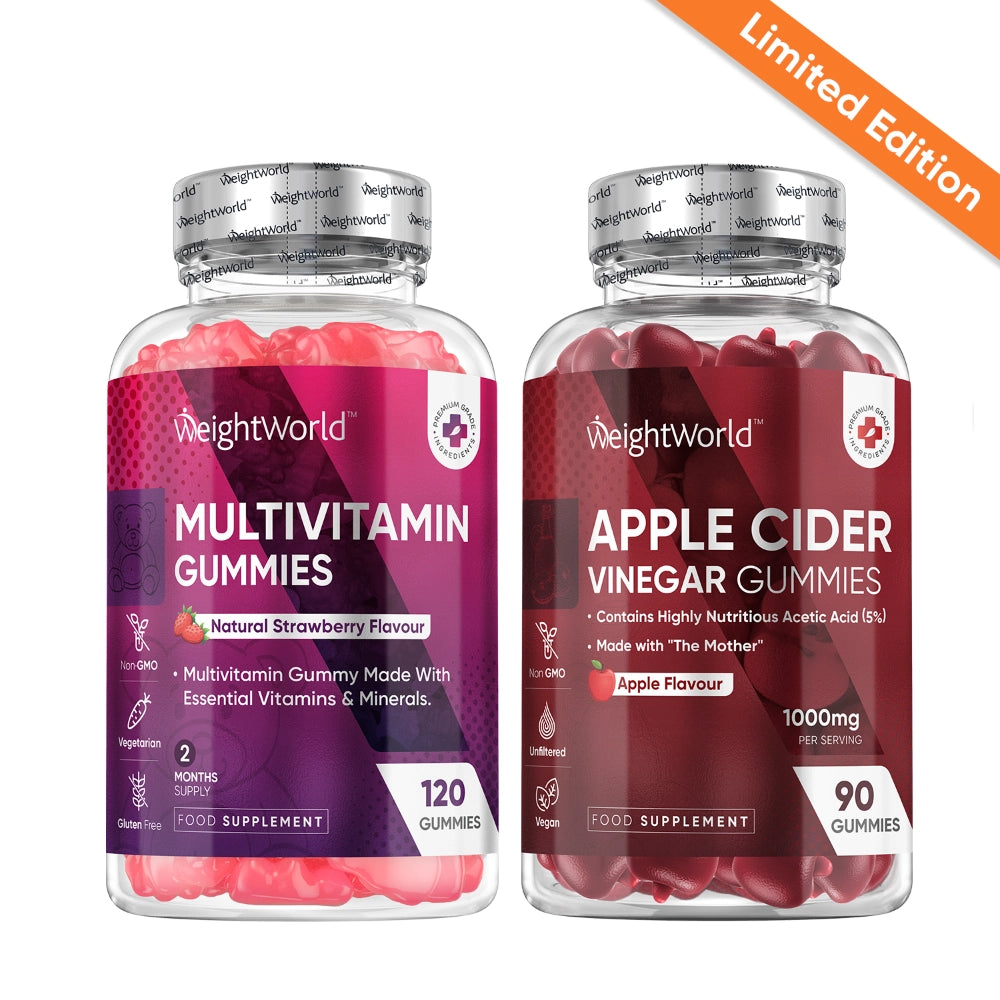
In today’s fast-paced world, maintaining optimal health can often be a challenge. While a balanced diet is the cornerstone of good health, the increasing demands of modern life can sometimes make it difficult to obtain all the necessary nutrients from food alone. This is where vitamins and supplements come into play. They serve as a convenient and effective way to fill nutritional gaps, support overall well-being, and enhance specific body functions. Understanding the benefits of these dietary additions is crucial for making informed choices about personal health strategies.
The Role of Vitamins and Supplements
Vitamins and supplements are designed to complement the nutrients found in food, providing an additional layer of support for the body”?s intricate systems. They can help in various ways, including:
- Boosting immune function to fend off illnesses.
- Enhancing energy levels and reducing fatigue.
- Supporting bone health and reducing the risk of osteoporosis.
- Improving skin health and promoting a youthful appearance.
- Contributing to mental well-being and reducing symptoms of anxiety and depression.
For those interested in a more comprehensive approach, discover expert strategies here to effectively integrate vitamins into daily routines.
Different Types of Vitamins and Their Benefits
Water-Soluble Vitamins
Water-soluble vitamins, such as Vitamin C and the B-complex vitamins, are not stored in the body and need to be replenished regularly.
- Vitamin C: Important for the growth and repair of tissues, it also plays a crucial role in protecting the body against free radicals.
- B Vitamins: These are vital for energy production, brain function, and cell metabolism. They include B1 (Thiamine), B2 (Riboflavin), B3 (Niacin), B6, B12, and others.
To learn about our tailored solutions for incorporating these into your diet, find out more about this approach.
Fat-Soluble Vitamins
Fat-soluble vitamins include Vitamin A, D, E, and K, which are stored in the body”?s fatty tissues and liver.
- Vitamin A: Essential for vision, immune function, and skin health.
- Vitamin D: Key for bone health, it aids in the absorption of calcium and phosphorus.
- Vitamin E: Acts as an antioxidant, protecting cells from damage.
- Vitamin K: Important for blood clotting and bone metabolism.
For a deeper understanding, explore advanced guides and tips on the benefits of these nutrients.
Choosing the Right Supplements
Selecting the right supplements requires careful consideration of individual health needs and goals. Here are a few factors to consider:
- Quality: Opt for supplements that have been tested for purity and potency.
- Dosage: Ensure the dosage meets the recommended daily allowance and consult with a healthcare provider if unsure.
- Formulation: Consider the form of the supplement (e.g., capsule, powder, liquid) and choose one that suits your lifestyle and preferences.
- Brand Reputation: Select brands that are reputable and have a history of providing quality products.
To make informed decisions, learn about our tailored solutions for supplement selection.
Conclusion
Vitamins and supplements can be invaluable allies in the quest for optimal health. By understanding their roles and benefits, individuals can enhance their well-being and address specific health needs effectively. Whether it”?s bolstering the immune system or supporting mental health, these nutritional aids offer a flexible approach to managing health. Integrating them wisely into daily life can lead to significant improvements in overall health and vitality. For those seeking to enhance their health strategies, explore advanced guides and tips to optimize the benefits of vitamins and supplements.