
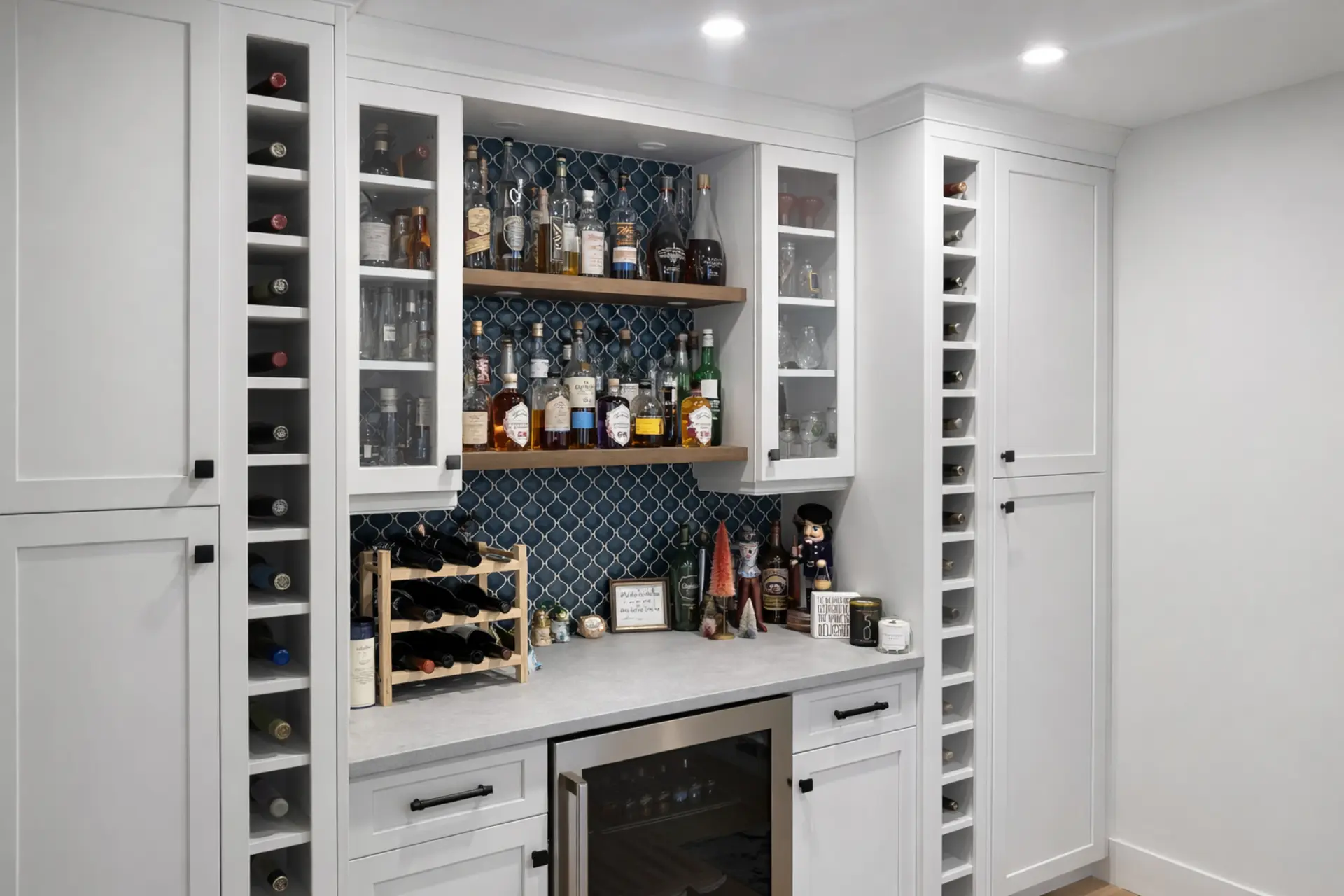
Design build renovations have become an increasingly popular choice for homeowners looking to enhance their living spaces. This approach combines the design and construction phases into a single, streamlined process. By integrating these stages, homeowners can expect a more cohesive and efficient renovation experience. This article delves into the benefits of design build renovations, the process involved, and tips for maximizing the potential of your home renovation project.
The Benefits of Design Build Renovations
Choosing a design build renovation offers numerous advantages that can enhance both the process and the outcome of your home improvement project.
- Streamlined Communication: With design and construction teams working together, communication is seamless, reducing the risk of misunderstandings and errors.
- Cost Efficiency: This integrated approach often leads to cost savings, as potential issues are addressed early in the design phase, minimizing costly changes during construction.
- Time Savings: The overlap of design and construction phases can significantly reduce the overall timeline for the project.
- Enhanced Collaboration: Homeowners are more involved throughout the process, ensuring that the final result aligns with their vision.
- Quality Assurance: With a single entity responsible for both design and construction, there is a greater focus on delivering high-quality results.
For more detailed insights into the benefits of design build renovations, you can read more about this topic.
The Design Build Process
Initial Consultation and Design
The process begins with an initial consultation where the homeowner’s needs, preferences, and budget are discussed. During this stage, the design team collaborates with the homeowner to develop a comprehensive plan that addresses all aspects of the renovation.
- Discussing the scope of the project
- Setting a realistic budget
- Developing design concepts and layouts
- Finalizing design plans
To explore further insights on how to effectively plan your renovation, explore further insights here.
Construction Phase
Once the design is finalized, the construction phase begins. This phase involves transforming the design concept into reality, with a focus on maintaining quality and adhering to the agreed timeline.
- Obtaining necessary permits and approvals
- Managing the construction schedule
- Overseeing the construction process
- Ensuring quality control and safety standards
You can learn more in this detailed guide about the construction phase and what to expect during this crucial stage of your renovation.
Maximizing the Potential of Your Renovation
To ensure the success of your design build renovation, consider these key strategies:
- Clear Communication: Maintain open and regular communication with the design build team to ensure your vision is clearly understood and executed.
- Flexibility: Be open to suggestions and adjustments that may arise during the process to enhance the final outcome.
- Research and Planning: Invest time in planning and researching design trends, materials, and technologies to incorporate innovative solutions into your renovation.
- Focus on Functionality: Prioritize functionality and practicality in your design to ensure that the renovated space meets your everyday needs.
Find additional information here on how to maximize the potential of your renovation project and achieve the best possible results.
In conclusion, design build renovations offer a holistic approach to home improvement that can transform your living space efficiently and effectively. By understanding the process and benefits, and by employing strategies to maximize the renovation’s potential, homeowners can achieve a successful and satisfying renovation experience.