
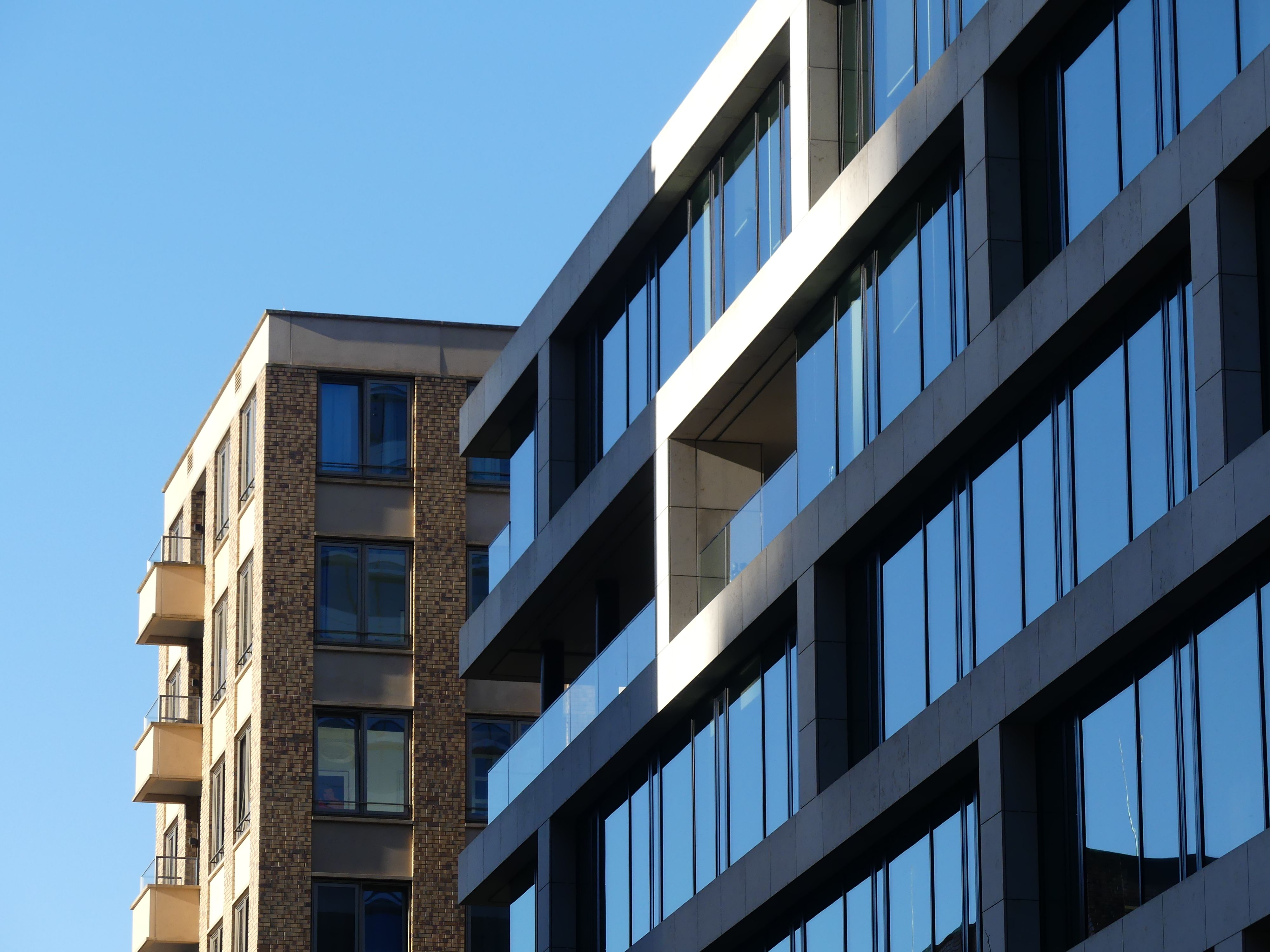
In recent years, the demand for flexible building solutions has grown significantly, leading many to consider the advantages of both permanent and relocatable buildings. Whether you are planning to expand your business, create temporary workspaces, or invest in long-term infrastructure, understanding the differences between these two types of structures is crucial. Each option offers unique benefits and potential drawbacks, making it essential to evaluate your specific needs and goals before making a decision. This article will delve into the key considerations for choosing between permanent and relocatable buildings, helping you make an informed choice that aligns with your requirements.
Understanding Permanent Buildings
Permanent buildings are constructed with longevity and durability in mind. These structures are typically built using traditional methods and materials such as concrete, steel, and brick. Here are some key features to consider:
- Longevity: Designed to last for decades, permanent buildings are an investment in the future.
- Customization: Offers extensive customization options to fit specific architectural or functional needs.
- Stability: Provides a stable and robust environment, suitable for a wide range of applications.
- Higher Initial Costs: Often involves a significant upfront financial commitment.
While permanent buildings offer many advantages, they may not be the ideal choice for every scenario, particularly if future flexibility is a priority. Discover expert strategies here to assess whether a permanent solution aligns with your current and future objectives.
Exploring Relocatable Buildings
Relocatable buildings, often known as modular or portable buildings, provide a flexible alternative to traditional construction. They are pre-fabricated and can be moved from one location to another, offering various benefits:
- Flexibility: Easily relocated and reconfigured to meet changing needs.
- Cost-Effective: Generally lower initial investment compared to permanent structures.
- Quick Installation: Faster setup times due to off-site fabrication.
- Environmental Impact: Often more sustainable due to reduced waste and energy consumption during construction.
Relocatable buildings are particularly advantageous for organizations that anticipate changes in space requirements or those operating in dynamic environments. Learn about our tailored solutions to see how modular buildings can enhance operational flexibility and adaptability.
Comparing Suitability for Business Needs
Long-Term vs. Short-Term Requirements
One of the primary factors influencing the decision between permanent and relocatable buildings is the anticipated duration of use:
- Long-Term Use: Permanent buildings are ideal for businesses with stable, long-term location needs.
- Short-Term Use: Relocatable buildings suit temporary projects or businesses anticipating relocation.
Consider the nature of your business operations and future plans to ensure the chosen building type supports your strategic goals. Explore advanced guides and tips for a comprehensive evaluation of your building needs.
Budget Considerations
Budget constraints often play a crucial role in decision-making:
- Capital Investment: Permanent buildings require a substantial initial investment but may offer long-term value.
- Operational Budget: Relocatable buildings provide a more flexible financial solution, with potential cost savings over time.
Evaluating total cost implications over the building’s lifespan is essential to making a financially sound decision. Find out more about this approach to optimize your budget allocations effectively.
Conclusion
Both permanent and relocatable buildings offer distinct advantages that cater to different organizational needs. By carefully assessing factors such as duration, flexibility, and budget, businesses can select the most appropriate building solution. Whether prioritizing long-term investment or seeking adaptable, cost-effective options, understanding the nuances of each type will ensure a choice that supports both immediate and future objectives. Engaging with industry experts and exploring tailored solutions can further aid in aligning building strategies with overarching business goals.