
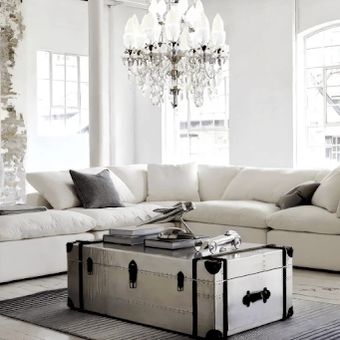
The art of designing modular sofas requires a delicate balance of creativity, functionality, and adaptability. A successful modular sofa designer not only crafts pieces that are aesthetically pleasing but also ensures they meet the practical needs of diverse living spaces. With the growing trend towards versatile home furniture, understanding the secrets behind successful modular sofa design can provide insights into creating furniture that stands the test of time both in style and utility.
Understanding Customer Needs and Preferences
The foundation of any successful modular sofa design lies in a deep understanding of customer needs and preferences. A designer must:
- Conduct thorough market research to identify emerging trends in interior design and customer preferences.
- Engage in direct communication with customers to gather insights on their specific requirements, including size, style, and color preferences.
- Adapt designs to fit various living spaces, from compact apartments to spacious homes, ensuring that each piece is versatile enough to appeal to a broad audience.
To delve deeper into strategies for understanding customer needs, discover expert strategies here.
Innovation in Design and Materials
Emphasizing Flexibility and Modularity
A hallmark of successful modular sofa design is the ability to combine different modules to create various configurations. This requires:
- Designing pieces that are easily interchangeable, allowing for multiple arrangements to suit different room layouts.
- Incorporating elements like reversible cushions and modular armrests to enhance flexibility.
- Utilizing connectors and fasteners that are intuitive and user-friendly, making it easy for users to reconfigure their sofas.
Material Selection and Sustainability
Choosing the right materials is crucial for the longevity and appeal of modular sofas. Key considerations include:
- Opting for sustainable materials, such as eco-friendly fabrics and responsibly sourced wood, to cater to environmentally conscious consumers.
- Ensuring materials are durable and easy to maintain, enhancing the lifespan of the furniture.
- Experimenting with innovative textiles and finishes that offer a unique touch while maintaining practicality.
For more information on sustainable materials and design innovation, learn about our tailored solutions.
Balancing Aesthetics and Functionality
While functionality is key, aesthetics should never be compromised. A successful designer achieves this balance by:
- Incorporating timeless design elements that complement a variety of interior styles, from modern to traditional.
- Paying attention to detail, such as stitching patterns and upholstery textures, to enhance visual appeal.
- Ensuring that the sofa is not only a functional piece but also a focal point that elevates the overall ambiance of the room.
To explore advanced guides and tips on achieving this balance, explore advanced guides and tips.
Testing and Quality Assurance
Before a modular sofa reaches the consumer, rigorous testing and quality assurance are essential. This includes:
- Conducting stress tests on different modules to ensure structural integrity and safety.
- Evaluating the ease of assembly and reconfiguration to guarantee user satisfaction.
- Implementing quality checks for materials and finishes to meet high standards of craftsmanship.
Find out more about this approach to quality assurance here.
In conclusion, the secrets of a successful modular sofa designer lie in a seamless integration of customer insights, innovative design, and meticulous quality standards. By focusing on these core elements, designers can create modular furniture that not only adapts to the evolving needs of consumers but also enhances their living spaces in a meaningful way.