
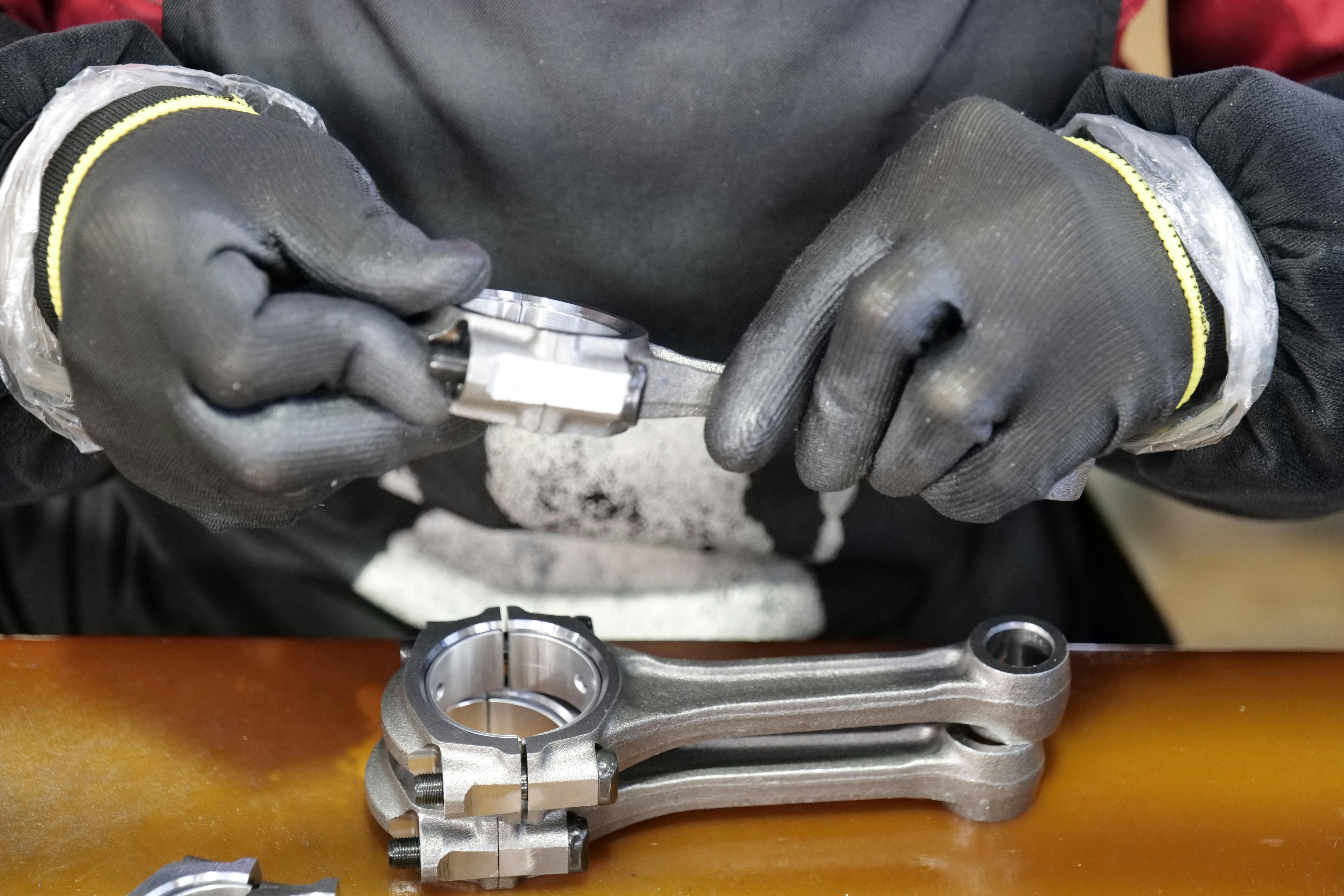
In the world of construction and excavation, the efficiency and productivity of heavy equipment largely depend on the quality and functionality of its parts. Digging parts, in particular, play a crucial role in the operational success of various machinery such as excavators, backhoes, and trenchers. Understanding the key components and their respective roles can significantly enhance the performance and longevity of equipment. This article delves into the top heavy equipment digging parts you need to know, providing insights into their functions and importance in the field.
Excavator Buckets
Excavator buckets are fundamental to the digging process, available in various sizes and shapes tailored to specific tasks. They are attached to the arm of an excavator and are instrumental in scooping, digging, and moving materials. Key factors to consider when selecting an excavator bucket include:
- Material Type: Choose a bucket made from durable materials like high-strength steel to withstand harsh conditions.
- Size and Shape: The bucket size should align with the machine”?s capacity and the nature of the job. Narrow buckets are ideal for trenching, while wider ones are suitable for bulk material handling.
- Teeth Configuration: Teeth are critical for breaking through tough soils and rocks. Opt for replaceable teeth to maintain efficiency.
For more detailed insights on choosing the right bucket, discover expert strategies here.
Hydraulic Hammers
Hydraulic hammers, or breakers, are attachments designed to demolish hard surfaces such as concrete and rock. They are essential in construction and mining, where breaking through solid materials is required. Key considerations include:
- Impact Energy: Higher impact energy is crucial for breaking denser materials efficiently.
- Compatibility: Ensure the hammer is compatible with the machine”?s hydraulic system for optimal performance.
- Maintenance: Regular lubrication and inspection of the hammer prolong its service life.
To explore advanced guides and tips on hydraulic hammers, find out more about this approach.
Trenching Attachments
Trenchers
Trenchers are specialized equipment attachments used for digging narrow trenches, often for laying pipes or cables. They come in various forms, including chain trenchers and wheel trenchers. Important factors include:
- Trench Width and Depth: Choose a trencher that can achieve the desired trench dimensions efficiently.
- Soil Condition: Consider the type of soil to determine the suitable trencher type and tooth design.
- Attachment Type: Ensure compatibility with the host machine for smooth operation.
Learn about our tailored solutions for trenching needs by exploring this approach.
Augers
Augers are indispensable in drilling operations, used for digging holes for posts, piers, or planting trees. They are available in different diameters and lengths to suit various applications. Key aspects to consider include:
- Auger Diameter: The diameter should match the required hole size for the project.
- Flighting Material: Durable materials like hardened steel are preferred for longevity.
- Drive System: Ensure the auger”?s drive system is compatible with the host equipment.
To explore advanced guides and tips on selecting augers, learn more here.
Conclusion
The efficiency of heavy equipment in excavation and construction is heavily reliant on the quality of its digging parts. From buckets to trenchers, each component plays a vital role in the seamless operation of machinery. Understanding the features and applications of these parts can significantly impact project outcomes. For comprehensive solutions and expert advice, explore advanced guides and tips to optimize equipment performance.